
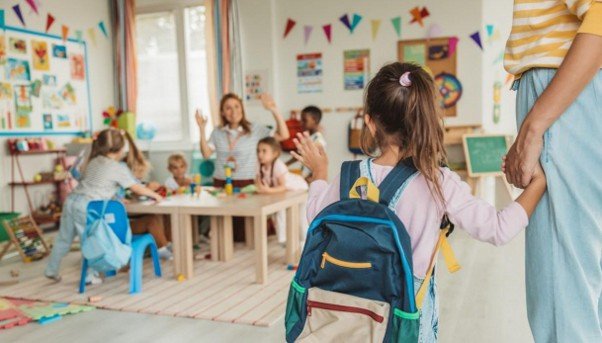
A new school year brings fresh faces, new rooms, and a big change in routine. For kids with autism, a calm plan can make the first weeks smoother. At Center for Integrative Psychology, families learn practical ways to guide children through transitions. These back-to-school tips for kids with autism focus on comfort, confidence, and steady growth.
Starting school again can bring excitement along with new worries. A child might feel unsure about classroom rules, new teachers, busy spaces, or changes in daily habits. With patience and the right approach, families can create a school routine that feels safe and easy to follow.
Why Does a New School Year Feel Challenging for Some Kids with Autism?
School life comes with many changes. A new classroom, different schedules, and new social settings can feel overwhelming for a child with autism. Clear steps and familiar patterns can help reduce stress during this time.
Every child has unique needs and ways of learning. Some children enjoy meeting new classmates, while others need extra time to feel comfortable in a new setting. Families can work closely with teachers and care teams to create a plan based on the child’s strengths.
The goal is not to rush the process. Small steps can build trust and help children feel ready for each school day.
Create a Calm Routine Before School Starts
A steady routine at home can make school mornings easier. Children can learn what to expect before the first day arrives. A simple schedule with clear steps can bring a sense of order.
Parents can begin preparing weeks before school begins. A child can practice waking up, getting dressed, packing a bag, and following a morning flow. These small habits can make the school routine feel more familiar.
Some helpful steps include:
- Create a visual schedule with pictures or simple words.
- Practice the school route and visit the campus before the first day.
- Let the child choose small items, such as a backpack or notebook, to build excitement. Or school shopping for new supplies
- Talk about school activities in a positive and simple way.
These steps are part of effectively helping a child with autism adjust to school methods. A child who knows what to expect can feel more prepared for daily changes.
How Can Parents Help Kids with Autism Feel Ready for School?
Parents play an important role during school transitions. A calm voice, clear communication, and steady encouragement can help children handle new experiences.
Try to learn about the classroom setup before school begins. Ask teachers about daily activities, classroom rules, and possible changes in routine. Sharing information about your child’s needs can help create a smoother school experience.
It helps to talk about feelings in simple ways. Children can learn words or signals to share emotions, such as feeling tired, worried, or overwhelmed. This can help adults understand what a child needs during the school day.
Build Comfort with Teachers and School Staff
A strong connection between home and school can create a better experience for an autistic child. Teachers can learn about a child’s learning style, interests, and communication needs. Parents can share helpful details before classes begin. For example, they can explain what helps their child stay calm, what activities they enjoy, and what changes feel difficult.
Good communication creates teamwork. Regular updates between families and teachers can help everyone stay aware of progress and challenges.
What Classroom Habits Can Make School Days Easier?
Small classroom habits can help children with autism feel more prepared. Teachers can use clear instructions, simple choices, and predictable routines. A familiar pattern can help children understand what happens next during the day.
Here are some ideas families and teachers can discuss:
- Use clear language with short directions.
- Give advance notice about changes in activities.
- Create a quiet plan for moments when the classroom feels too busy.
- Celebrate progress with kind words and encouragement.
- Something about building reward systems and charts for good behaviour in the classroom
These ideas are useful parts of back-to-school tips for kids with autism since they focus on building confidence through daily experiences.
Encourage Independence with Small Steps
Independence grows through practice. Children can learn to manage small tasks at their own pace. Simple goals, such as organizing school items or following a classroom routine, can build confidence.
Parents can praise effort instead of focusing only on results. A child who feels valued during learning can develop a positive view of school. At Center For Integrative Psychology, families can find guidance for creating healthy routines and understanding their child’s emotional needs during important life changes.
How Can Families Make the School Transition Less Stressful?
A successful school transition does not need to happen overnight. Children need time, patience, and understanding as they adjust to new surroundings.
Families can prepare by keeping communication open and noticing small signs of progress. A child who learns one new skill, handles one new activity, or comfortably transitions to a new task in class has taken an important step.
The process of helping a child with autism adjust to school includes teamwork between families, teachers, and care professionals. A caring approach can help children feel more secure as they explore a new school year.
Focus on Strengths and Celebrate Growth
Every child with autism has talents, interests, and special ways of seeing the world. School preparation should include finding these strengths and using them as a foundation for growth.
A child may enjoy art, numbers, reading, music, building, or creative activities. These interests can help create positive school experiences and encourage engagement in learning.
Families can keep expectations realistic and celebrate progress along the way. Small wins matter and can lead to bigger achievements over time.
Get Guidance for a Positive School Year
A new school year can bring growth, learning, and fresh opportunities for kids with autism. With thoughtful preparation and caring guidance, families can help children move through school changes with confidence.
Connect with the Center for Integrative Psychology to explore personalized guidance and learn more strategies for creating a smoother school journey.
Frequently Asked Questions
1 . What are some simple ways to prepare a child with autism for school?
Parents can create a clear routine, practice daily tasks, visit the school, and talk about classroom activities. These steps help children understand changes and feel more ready before the first school day begins.
2. How long does it take for a child with autism to adjust to a new school?
Each child has a different pace for adjusting to school. A calm routine, clear communication, and positive experiences can help children feel more comfortable as they learn new patterns.
3. Can teachers help kids with autism during school transitions?
Yes, teachers can help by creating clear routines, explaining changes, and learning about a child’s needs and potential triggers in the classroom. Strong communication between families and teachers can create a smoother classroom experience for everyone.
4. What role do routines play in helping children with autism at school?
Routines give children a clear idea of what comes next during the day. A familiar pattern can reduce confusion and help children approach classroom activities with greater confidence and comfort.
5. How can families learn more about school readiness for kids with autism?
Families can connect with trusted professionals, educators, and child development experts. The Center for Integrative Psychology provides guidance to help families understand transitions and create practical plans for school success.